When to Call a Professional Garage Door Repair Service
A garage door that sticks, shakes, or won't close all the way is more than an inconvenience. It compromises security and can damage the door's hardware over time. Many homeowners try to fix these problems themselves, but some issues need the judgment and tools of a professional garage door repair service. Knowing when to call for help can save you time, prevent further damage, and keep your family safe.
Garage doors are heavy. A typical two-car door weighs several hundred pounds, held aloft by springs under high tension. When something goes wrong, the forces involved can cause serious injury if handled without proper training. That is why understanding the limits of DIY is important. A good rule of thumb: if the problem involves torsion springs, cables under tension, or the main opener mechanism, it belongs to a pro.
Common Problems That Require a Professional
Some garage door issues look simple but hide deeper trouble. For example, a door that refuses to close might have misaligned safety sensors. Cleaning the sensor lenses and checking the wiring is something you can try first. But if the sensors are damaged or the bracket is bent, a repair service can replace and realign them quickly. The same goes for a door that reverses direction for no clear reason. That problem often points to a failing logic board or a worn-out motor in the opener.
Noise is another clue. A noisy door can mean the rollers are dry, but it could also indicate a broken roller or a track that has shifted out of alignment. Roller repair and track adjustment are jobs that require precision. If the door is binding, you risk stripping the gears in the opener or snapping a cable. A professional garage door repair service has the experience to diagnose the root cause, not just the symptom.
Spring and Cable Hazards
The torsion spring system on most modern garage doors is under constant tension. When a spring breaks, it can release that energy violently. Replacing a torsion spring is not a beginner task. It requires the right winding bars and knowledge of how to safely release and reapply tension. Cable repair carries similar risk. A frayed or snapped cable can whip around. A technician will replace the cable, inspect the drums and brackets, and ensure the door is balanced before leaving. Balance is critical. An unbalanced door puts extra strain on the opener and can lead to premature failure of the motor.
Opener and Motor Issues
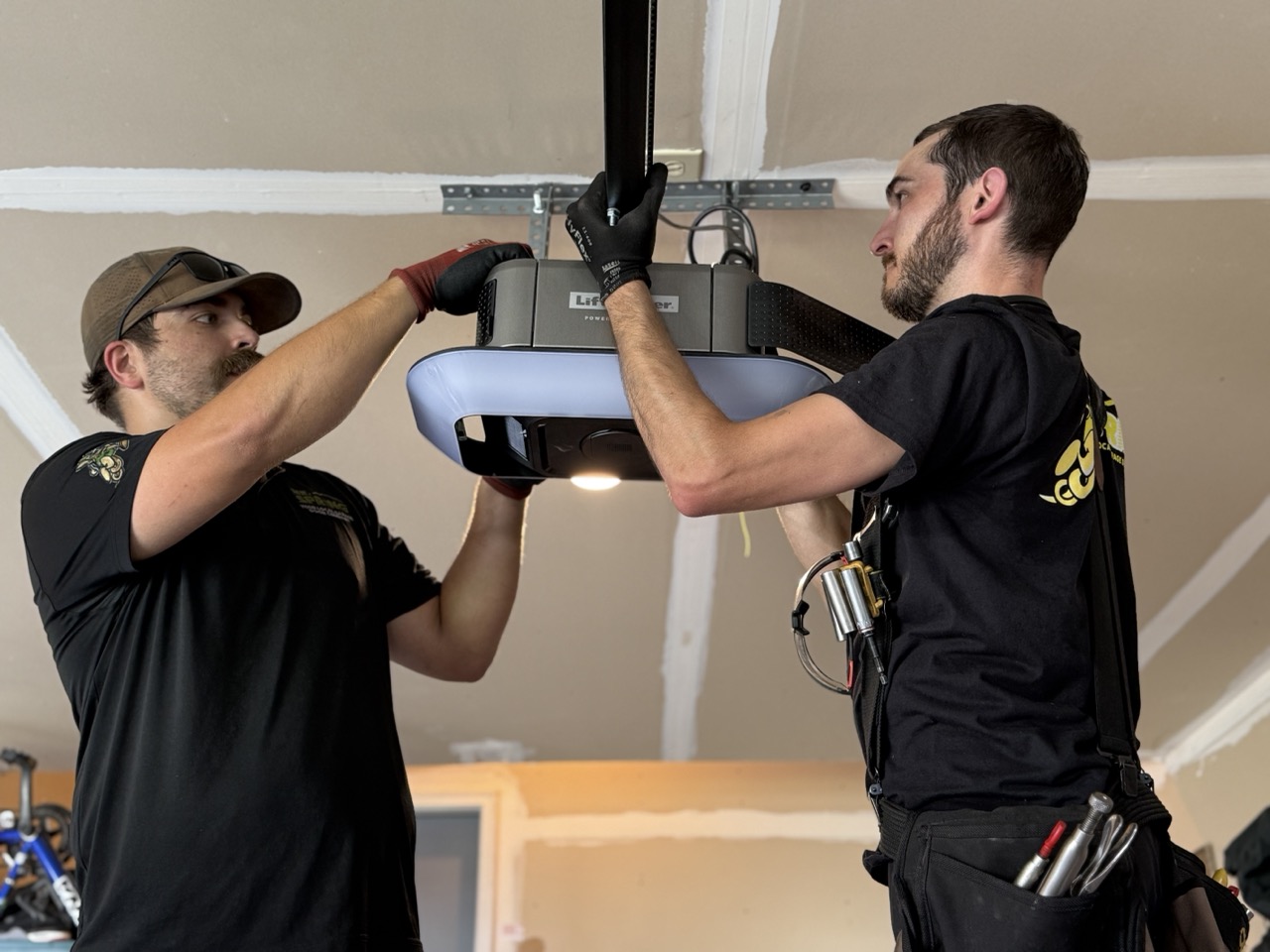
Garage door openers from brands like LiftMaster, Genie, and Chamberlain are reliable, but they are not immune to wear. Opener repair often involves diagnosing electrical problems, replacing gears, or reprogramming limit settings. A professional will also check the safety reversal system, which is a required safety feature on all modern openers. If the opener runs but the door does not move, the problem could be a stripped gear or a broken chain. In some cases, the entire operator unit needs replacement. A pro can advise on whether repair or replacement is more cost-effective for your specific model.
For homeowners with older doors, opener compatibility can be an issue. Newer openers from brands like Wayne-Dalton or Overhead Door offer smart garage features, allowing you to monitor and control the door from your phone. But retrofitting a smart opener to an older door requires careful setup. The technician must ensure the door's weight and spring tension match the opener's specifications. A mismatch can cause premature wear or unsafe operation.
When to Look Beyond the Opener
Sometimes the opener is fine, but the door itself has problems. Panel replacement might be needed if a section is dented or rotted. Clopay, Amarr, and Steel-Line make panels in many styles, so a technician can source a matching panel for most doors. On steel doors, rust can weaken the bottom panel. Replacing just that section is often cheaper than a full door replacement.
Another often-overlooked issue is the weatherstripping and bottom seal. A worn seal lets in drafts, moisture, and pests. While replacing weatherstripping is a simple DIY task, a pro will also check that the door's bottom bracket is not bent and that the seal sits evenly along the floor. That attention to detail makes a difference in how well the door seals over time.
Seasonal Considerations
In places like Minneapolis and St. Paul, seasonal temperature swings affect garage door performance. Cold weather can cause lubricant to thicken, making the door sluggish. Ice can build up in the tracks. A technician can apply the right lubricant for cold temperatures and adjust the track so the door does not bind. Conversely, summer heat can cause metal tracks to expand, leading to friction. A professional garage door repair service that serves the Twin Cities area knows these local patterns and will tune the door accordingly.

Spring is also a good time to have the door inspected after a long winter. The constant freeze-thaw cycles can loosen bolts and shift the track. A thorough check by a technician can catch small issues before they turn into costly repairs.
Choosing a Reliable Service
When you need repairs, look for a company that works with multiple brands. A technician who knows LiftMaster, Genie, Craftsman, and Chamberlain can handle almost any door. Brands like Sears have sold many openers over the years, and some older models need special parts. A good service will have access to parts for both current and discontinued models. They should also be transparent about their pricing and what is included in the service call.
Before calling, take a few notes. Write down the brand and model number of the opener and the door. Note any unusual noises or behaviors. That information helps the technician come prepared. Also, clear the area around the door. Move vehicles, tools, and storage items so the tech can work safely.
One sign of a quality service is that they test the door after the repair. They should run the door through several cycles, check the safety sensors, and verify the auto-reverse feature. They should also show you how to perform basic maintenance, like lubricating the tracks and cleaning the sensors.
Preventive Maintenance You Can Do
While some tasks require a pro, there are simple steps you can take to extend the life of your door. Every few months, inspect the rollers and hinges for wear. Tighten any loose bolts. Clean the tracks with a damp cloth and lubricate them with a silicone-based spray. Do not use grease, which attracts dirt and can cause buildup. Check the balance of the door by disconnecting the opener and lifting the door manually. It should stay open about halfway. If it falls or rises, the springs need adjustment.
Also, test the safety sensors by placing an object in the door's path. The door should reverse immediately. If it does not, clean the sensor lenses and check the wiring. If that does not fix it, call a technician. Safety sensors are not something to ignore.

Finally, keep an eye on the weatherstripping. If you see daylight under the door or feel a draft, it is time to replace the seal. That is a simple job you can do yourself, but it makes a big difference in energy efficiency and keeping pests out.
Knowing when to call a professional and when to handle it yourself is the key to keeping your garage door reliable. A well-maintained door adds value to your home and gives you peace of mind every time you press the button.